




 Image source, ReutersByFergus WalshMedical editor
- Published22 July 2026, 01:52 BST
Updated 6 hours ago
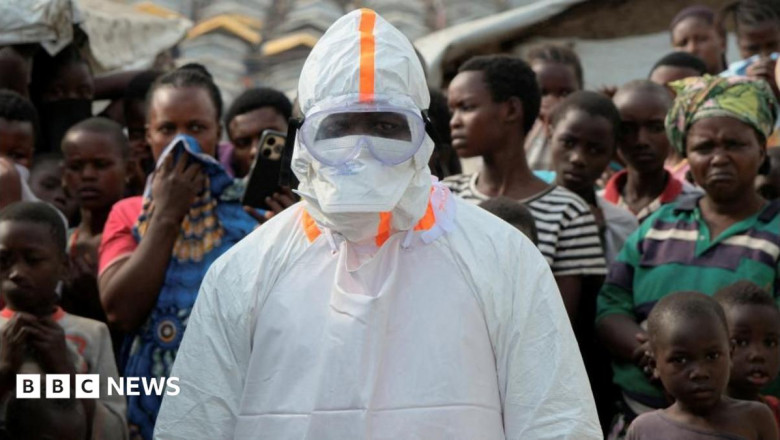
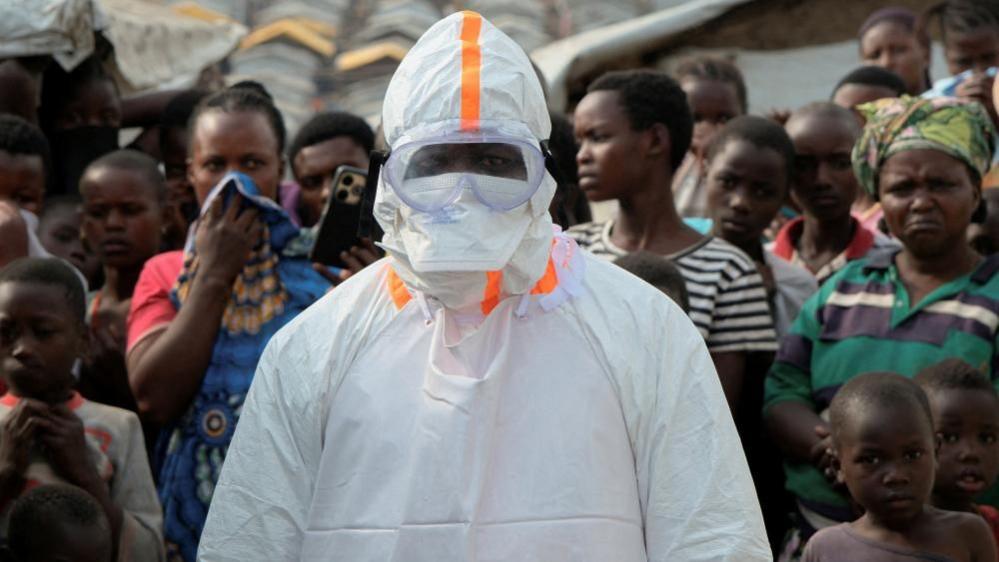
A humanitarian worker in the Democratic Republic of Congo has been medically evacuated to the UK after a potential healthcare‑related exposure to Ebola.
The UK Health Security Agency (UKHSA) said the individual, who is a UK resident and has not been named, has no symptoms, and the move is purely precautionary.
The individual remains well but is being assessed and monitored at a London hospital, the statement from UKHSA said.
The hospital has not been named but the Royal Free in north London has a high level isolation unit and is the primary national centre for high consequence infectious diseases.
The incubation period of Ebola ranges from two to 21 days and the humanitarian worker will be required to isolate throughout.
The individual had been working with a humanitarian organisation supporting the Ebola outbreak response.
Ebola is a highly dangerous pathogen. Unlike flu or Covid, it is not airborne and spreads through direct contact with bodily fluids.
Symptoms come on suddenly and start like the flu or malaria, with fever, headache and tiredness. As the disease progresses, vomiting and diarrhoea develop and it can lead to organ failure. Some, but not all, patients develop internal and external bleeding.
Richard Pebody, director of epidemic and emerging infections at UKHSA, said: "The risk to the general public remains low.
"This individual has been transferred out of an abundance of caution, and we're pleased they remain well."
There are currently no confirmed cases of Ebola in the UK, the agency said.
Get our flagship newsletter with all the headlines you need to start the day. Sign up here.
What is Ebola and why is stopping the latest outbreak so difficult?
'Speed, money and compassion' - lessons from an Ebola survivor and other experts
Recovery of Ebola patients offers rare moments of joy at epicentre of outbreak













Comments
0 comment